 ARMY
ARMYInvasion of Poland (1939): Germany vs Poland
1939
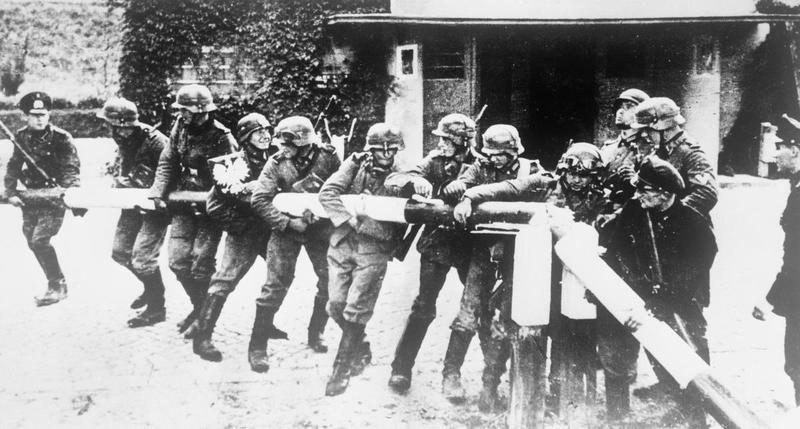
On raw force balance, the model gives Germany a 67% edge. How that verdict held up against history — below.
The balance of forces
| Germany | Poland | |
|---|---|---|
| 1,500,000 | Personnel | 950,000 |
| 2,750 | Tanks | 880 |
| 2,300 | Aircraft | 400 |
| 9,000 | Artillery pieces | 4,300 |
| ×1.2 | Quality factor (est.) | ×0.9 |
First full test of blitzkrieg: concentrated armor, close air support — versus — Brave but spread thin along a 1,900 km border, obsolete aircraft.
What actually happened
Here the model and history agree. Germany's two-to-one edge in men and three-to-one in the air, multiplied by a new way of war, collapsed Polish defenses in two weeks; the Soviet invasion from the east on September 17 sealed the outcome. Warsaw capitulated on day 28. The lesson that echoed through the next six years: static defense of long borders against concentrated armor is hopeless.
All scenarios
- Operation Barbarossa (1941): Germany vs USSR
- Pacific War (1941): Japan vs United States
- Battle of France (1940): Germany vs Allies
- Korean War Outbreak (1950): North vs South
- Six-Day War (1967): Israel vs Arab Coalition
- → All scenarios
Figures are approximate campaign-start estimates from open historical sources; the quality factor is our editorial assessment of doctrine and training. Compare these countries' modern armies in the simulator.