ARMY
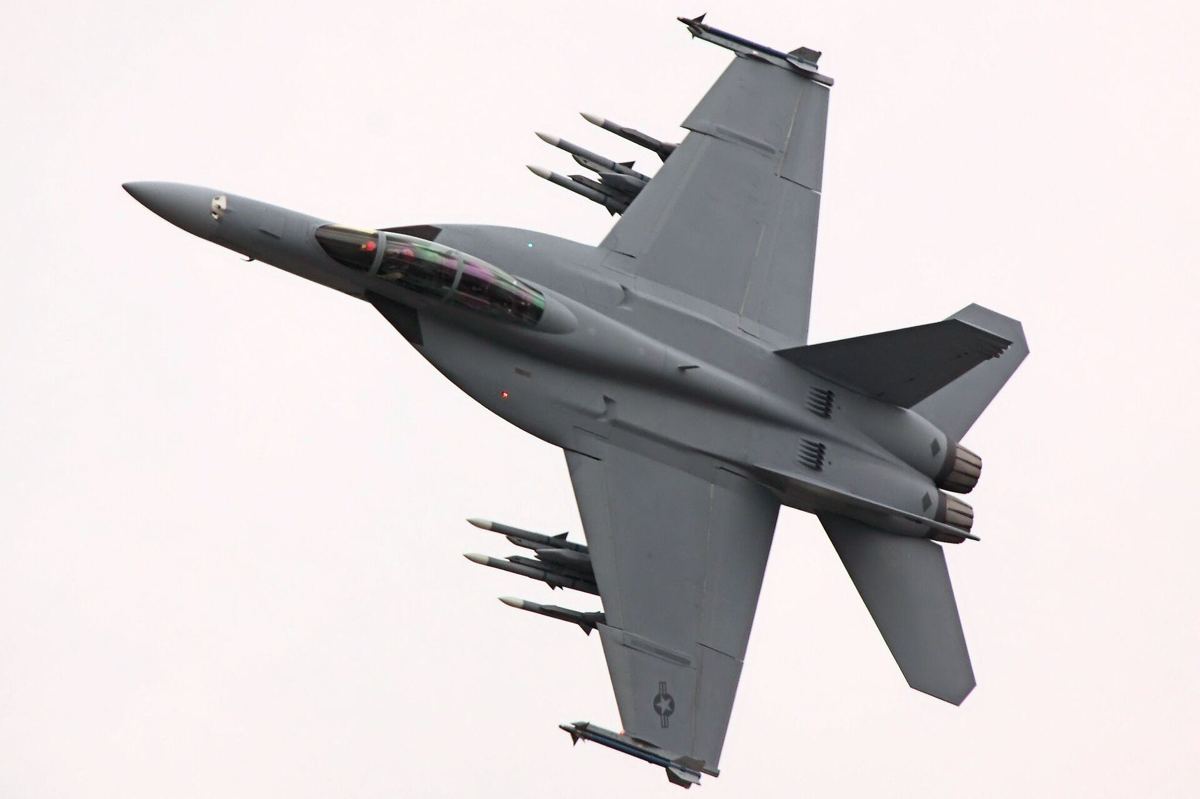
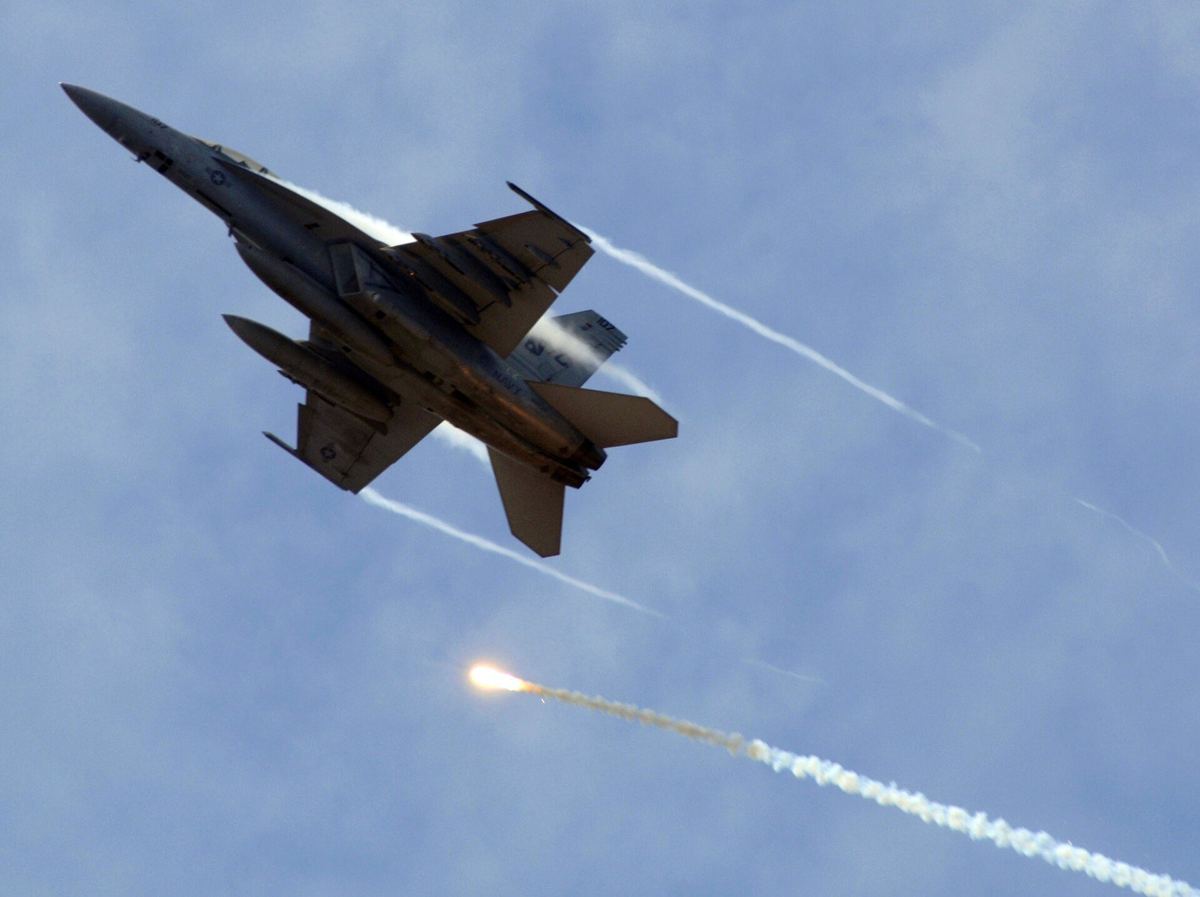
F/A-18E/F Super Hornet
Fighters · 🇺🇸 United States
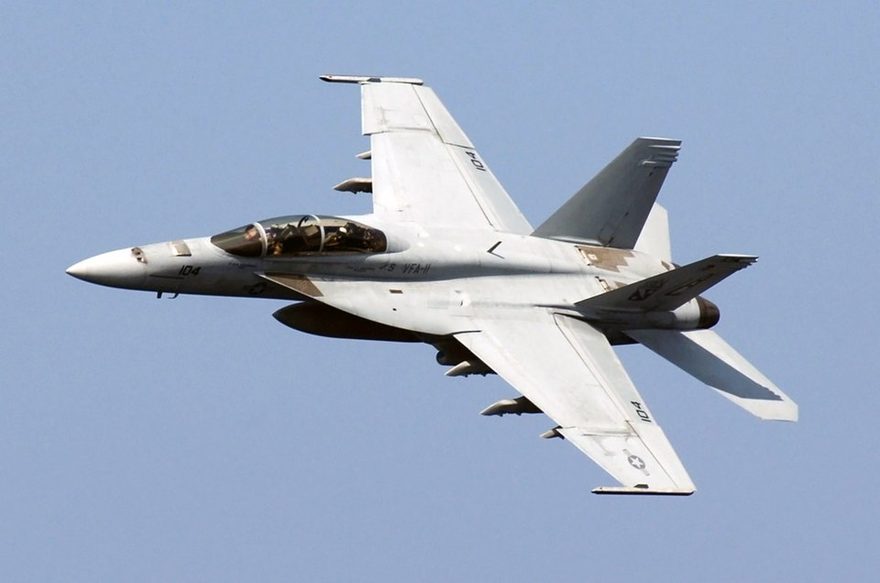
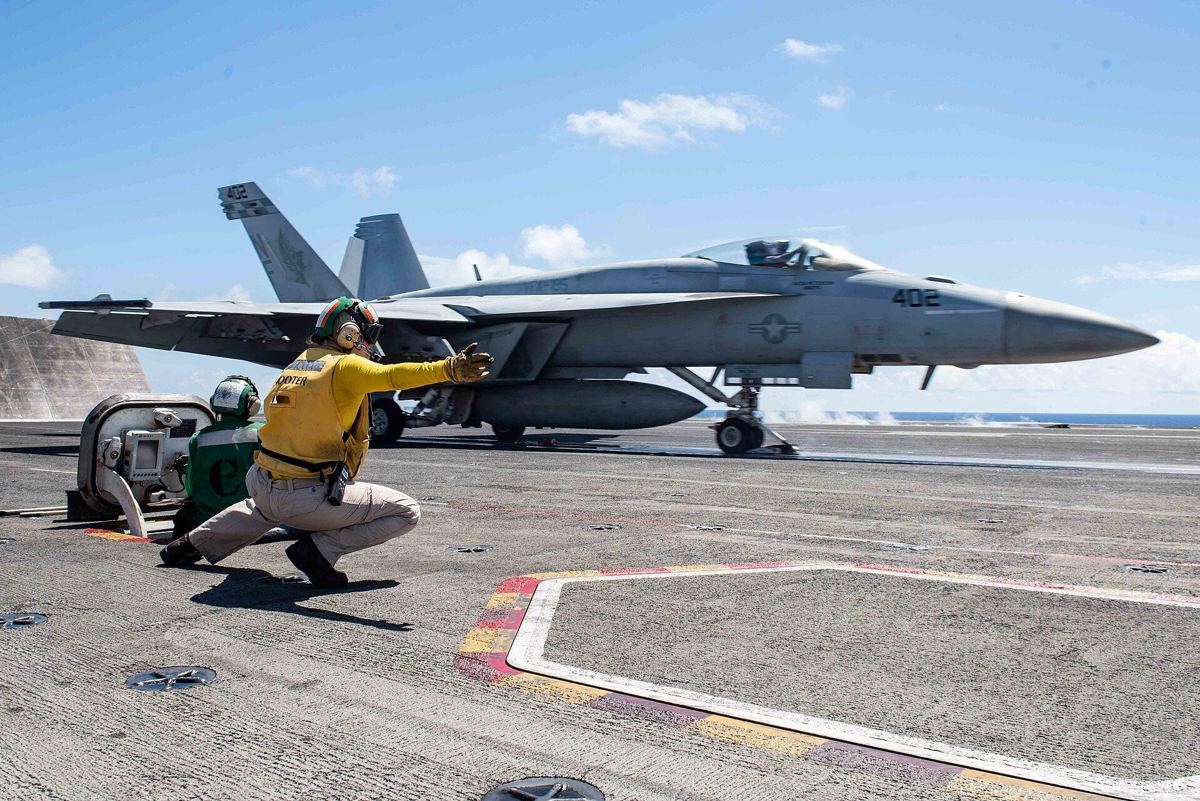
The backbone of US carrier aviation: a rugged multirole fighter designed for catapult launches and arrested landings, gradually being joined by the F-35C on deck.
Specifications
| Country of origin | 🇺🇸 United States |
| In service since | 2001 |
| Top speed | 1,915 km/h |
| Range | 2,346 km |
| Weight | 14.6 t |
| Crew | 1 |
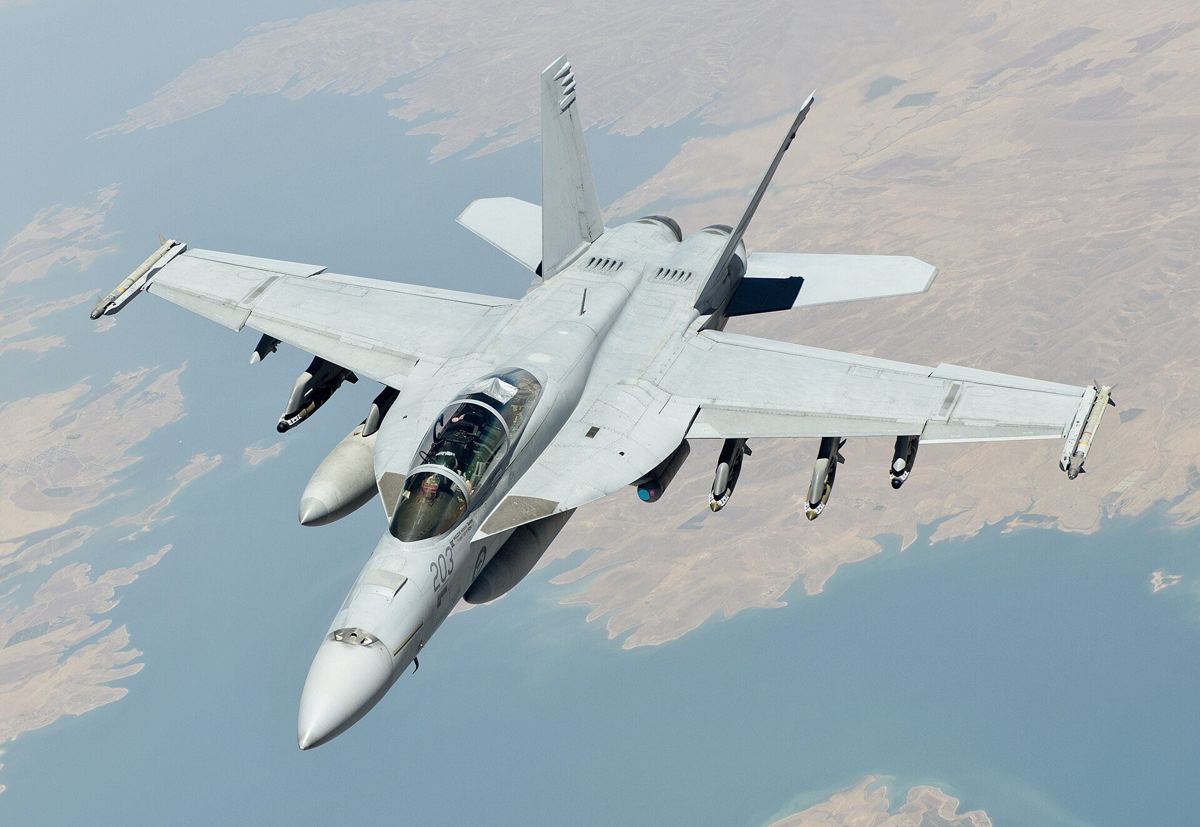
| Armament | 20mm M61A2, 11 hardpoints: AIM-120, AIM-9X, Harpoon, JSOW |
| Unit cost | ~$67M |
| Units built | 630+ |
Development & history
The Super Hornet began as a low-risk enlargement of the classic F/A-18 Hornet after the Navy's stealthy A-12 bomber was cancelled in 1991. About 25% bigger, with more fuel and two extra weapons stations, it first flew in 1995 and reached the fleet in 2001, replacing the F-14 Tomcat. Block III jets add conformal tanks, a new cockpit and reduced radar signature; the EA-18G Growler electronic-attack derivative jams radars for the whole strike package.
Service & combat use
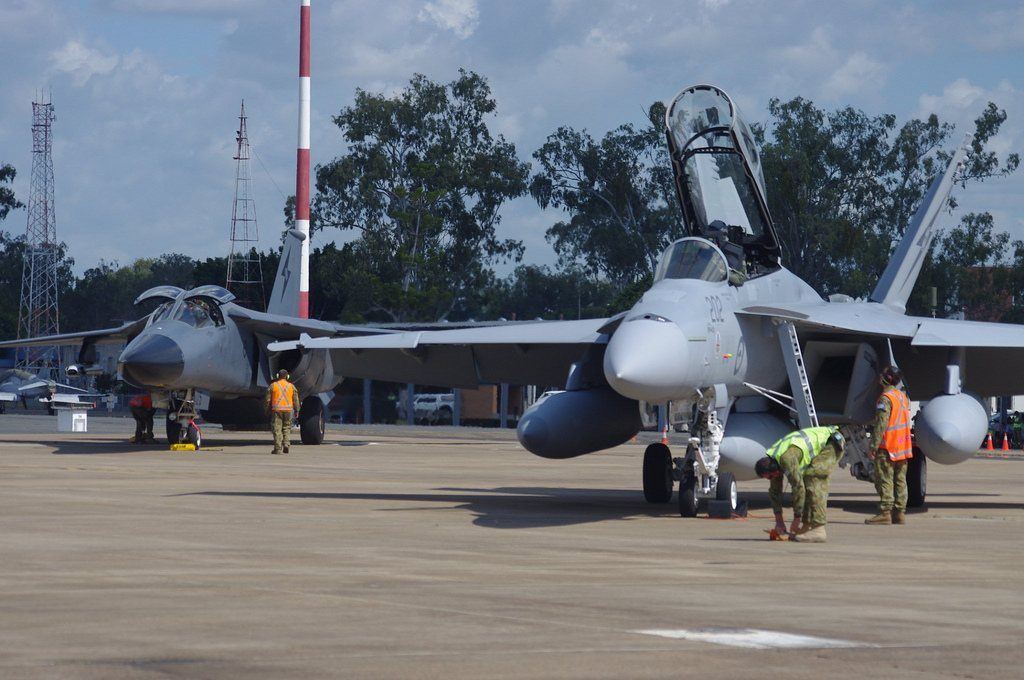
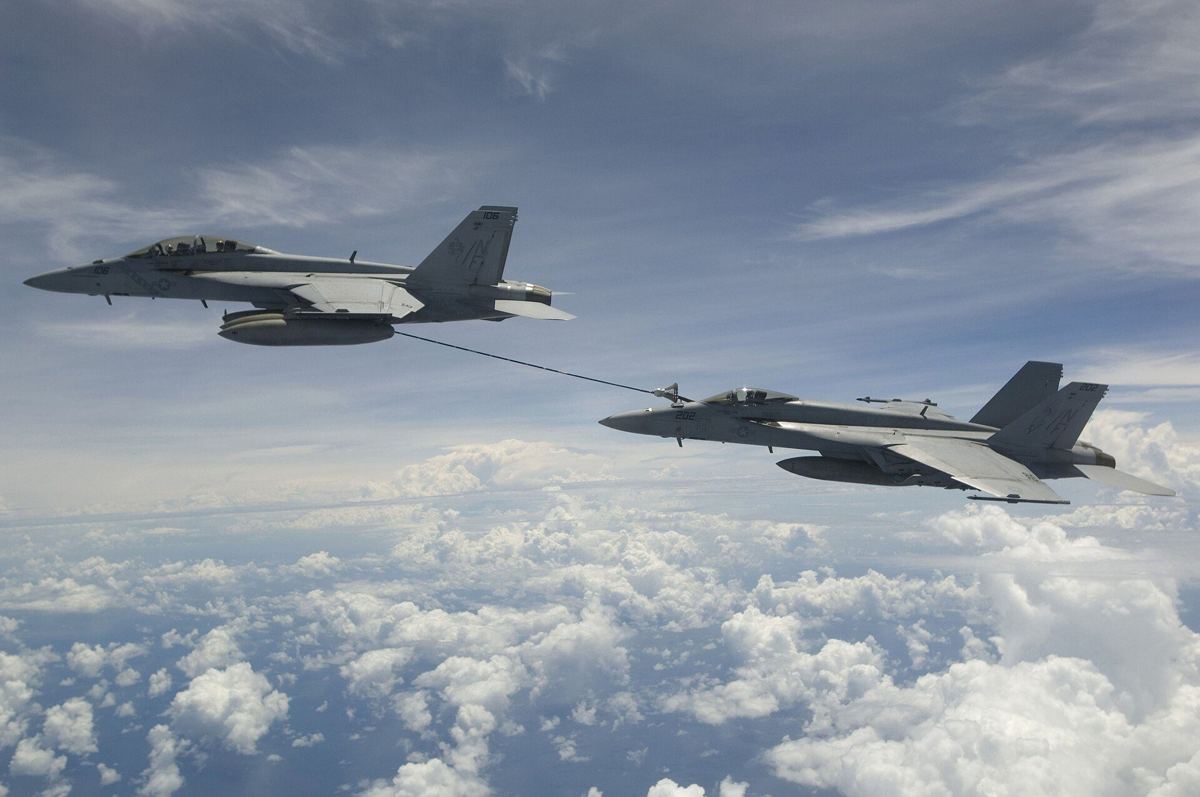
Super Hornets have flown strike missions over Iraq, Afghanistan, Syria and Yemen from carrier decks since 2002, and in 2017 one shot down a Syrian Su-22 — the US Navy's first air-to-air kill since 1991. In 2024–25 they defended shipping in the Red Sea, downing drones and cruise missiles. Australia is the sole export operator; Kuwait flies the related legacy Hornet. The type remains the backbone of every US carrier air wing as F-35Cs arrive gradually.
Photo gallery