ARMY
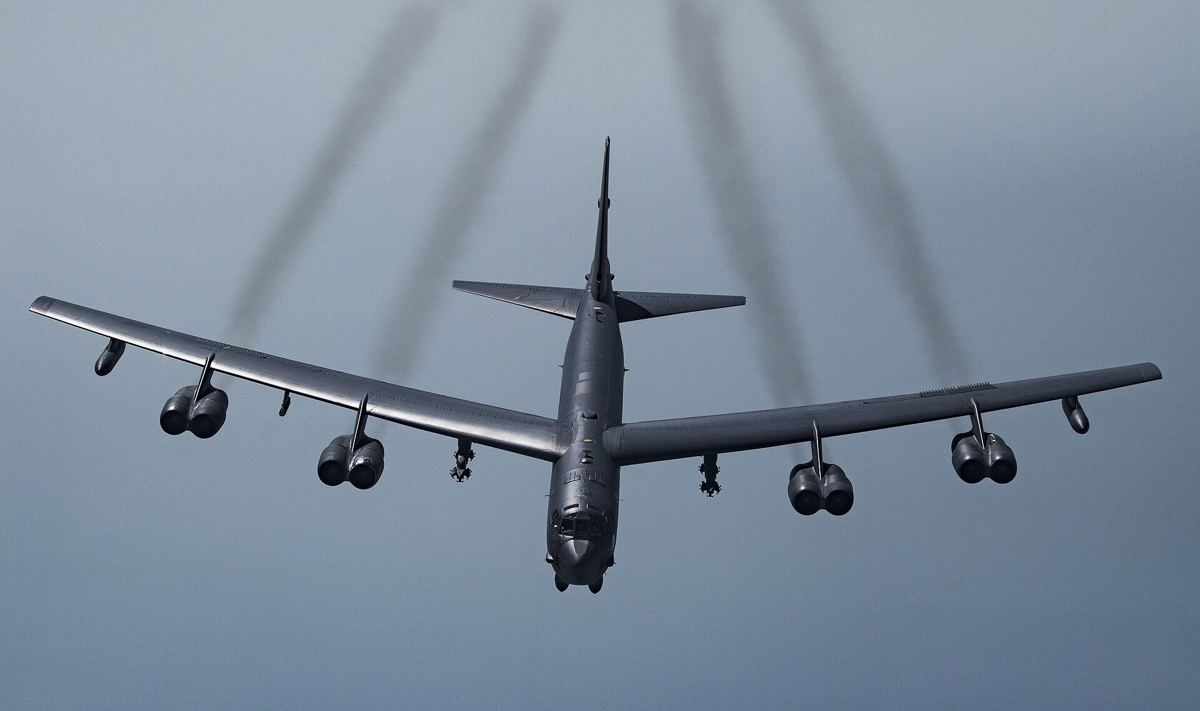
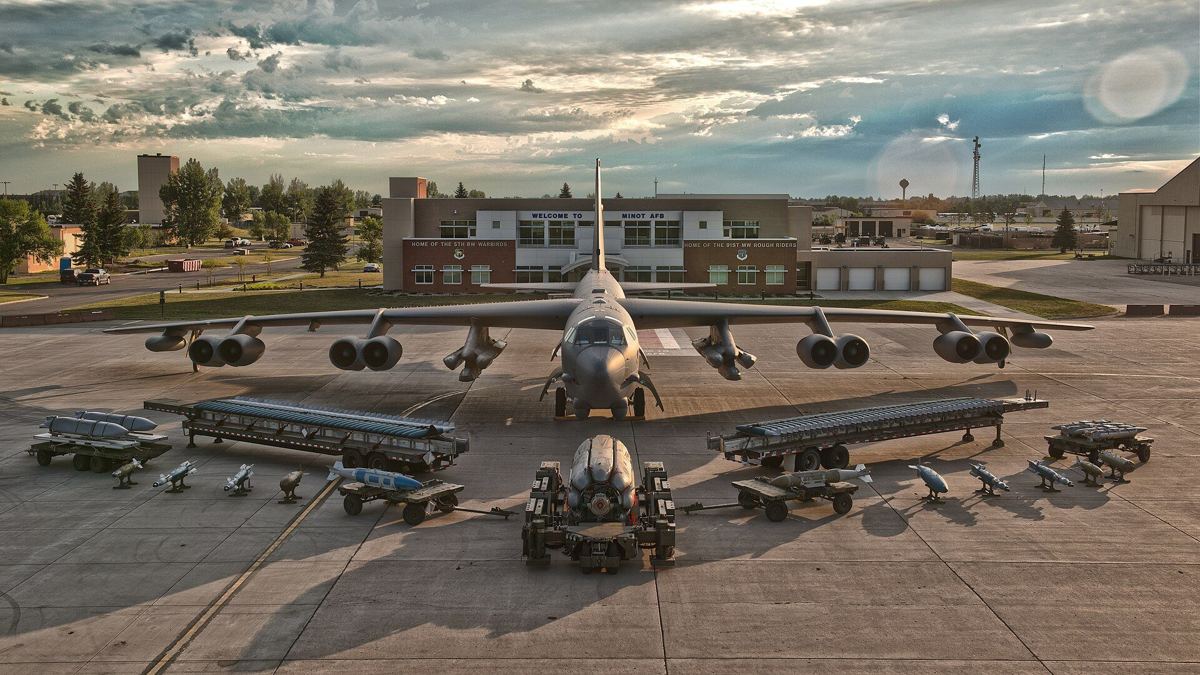
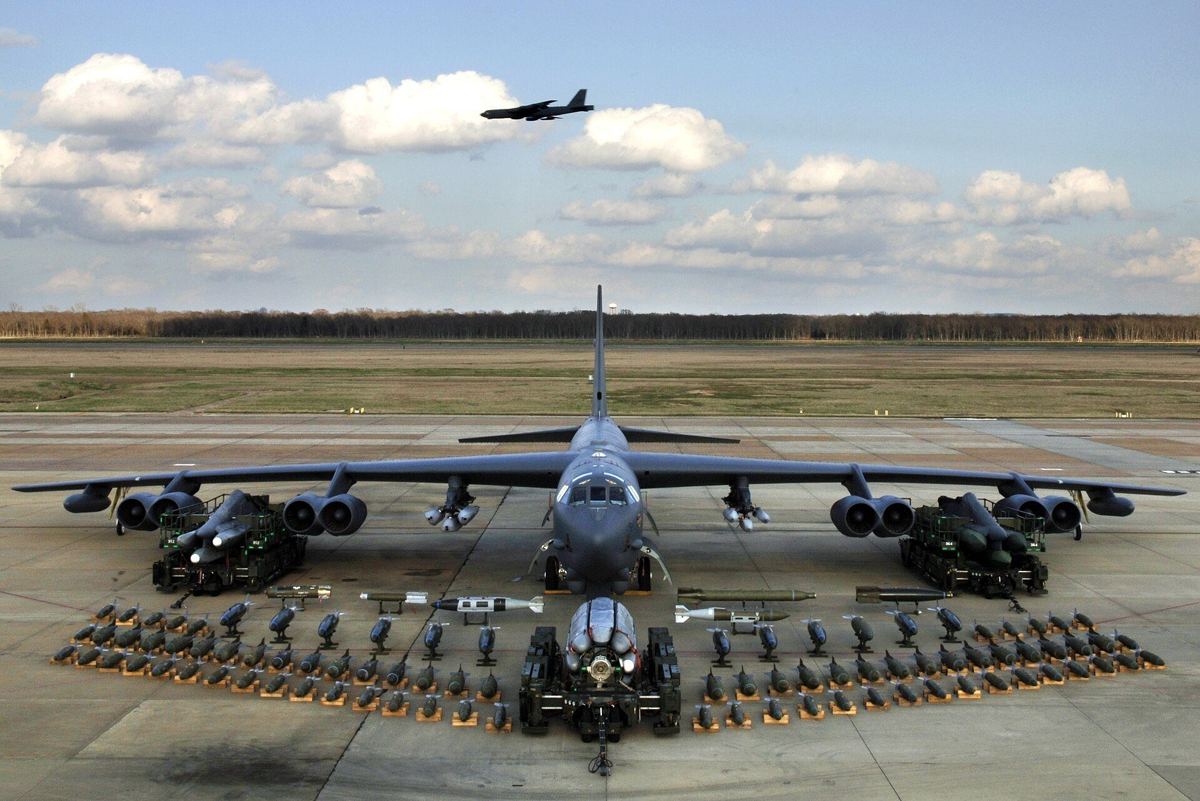
B-52H Stratofortress
Bombers · 🇺🇸 United States
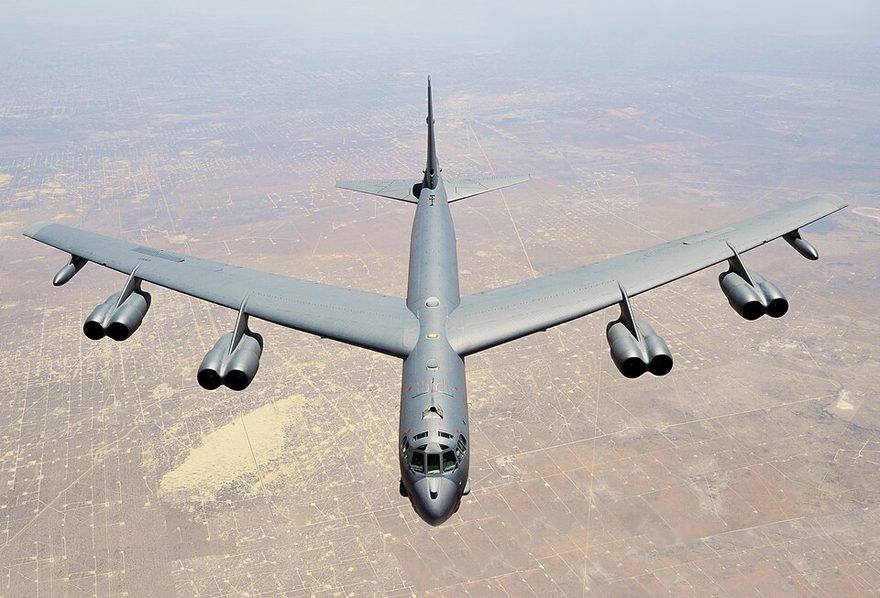
Seven decades in service and counting: the B-52 keeps flying thanks to endless upgrades, now slated to serve into the 2050s with new engines and radars.
Specifications
| Country of origin | 🇺🇸 United States |
| In service since | 1955 |
| Top speed | 1,010 km/h |
| Range | 14,080 km |
| Weight | 83.2 t |
| Crew | 5 |
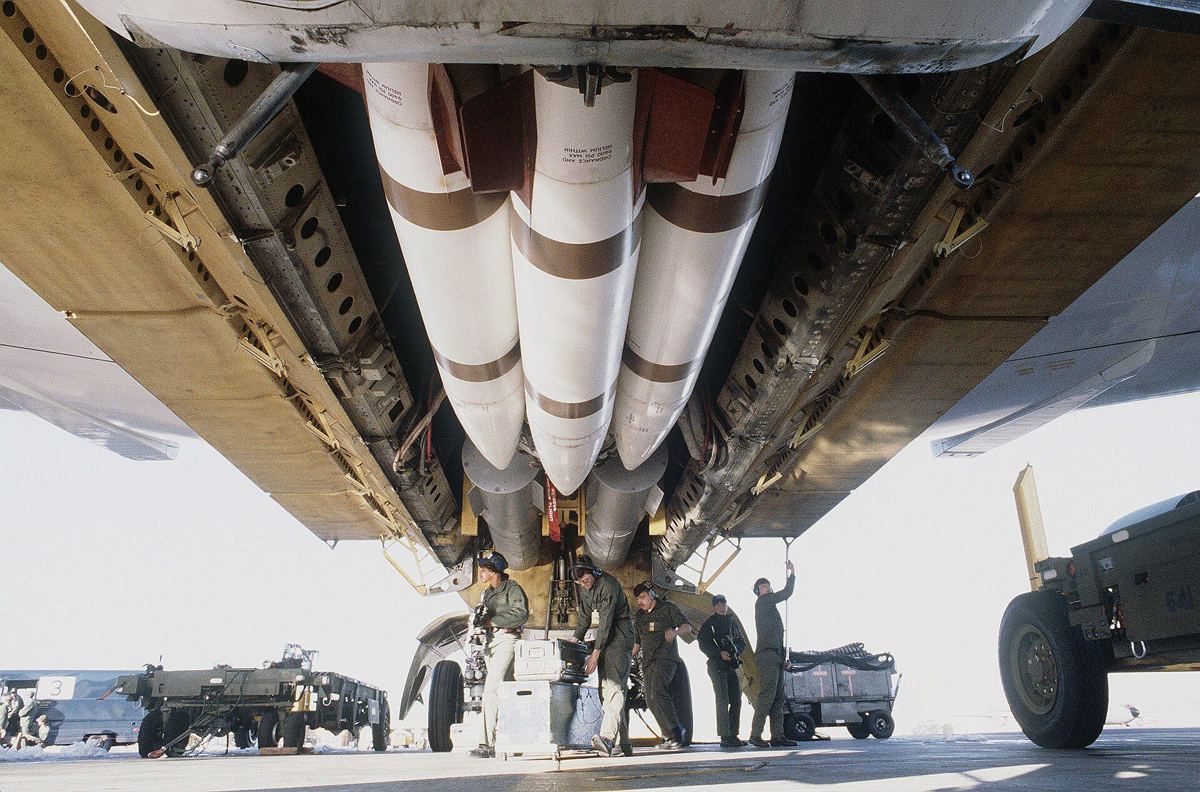
| Armament | 31.5 t: AGM-86 ALCM, JDAM, mines, future hypersonics |
| Unit cost | ~$84M |
| Units built | 744+ |
Development & history
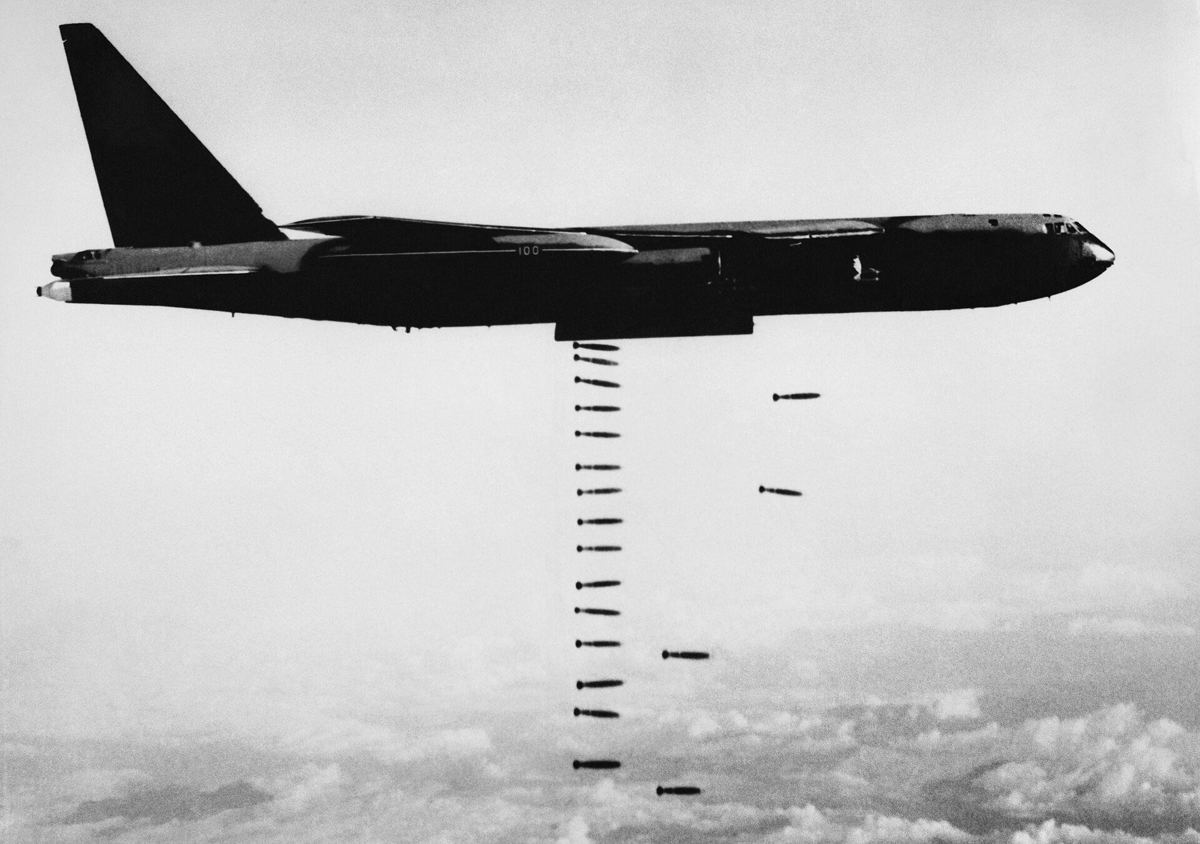
The B-52 first flew in 1952 as a high-altitude nuclear bomber, and the last airframe left the Wichita line in 1962. Everything since has been reinvention: low-level penetration in the 1960s, carpet bombing in Vietnam, cruise-missile truck in the 1980s, precision-strike platform after 2001. The current B-52J program replaces the eight engines with modern Rolls-Royce F130s and adds a new radar, aiming to keep the youngest 60-year-old airframes flying into the 2050s — a century of service.
Service & combat use
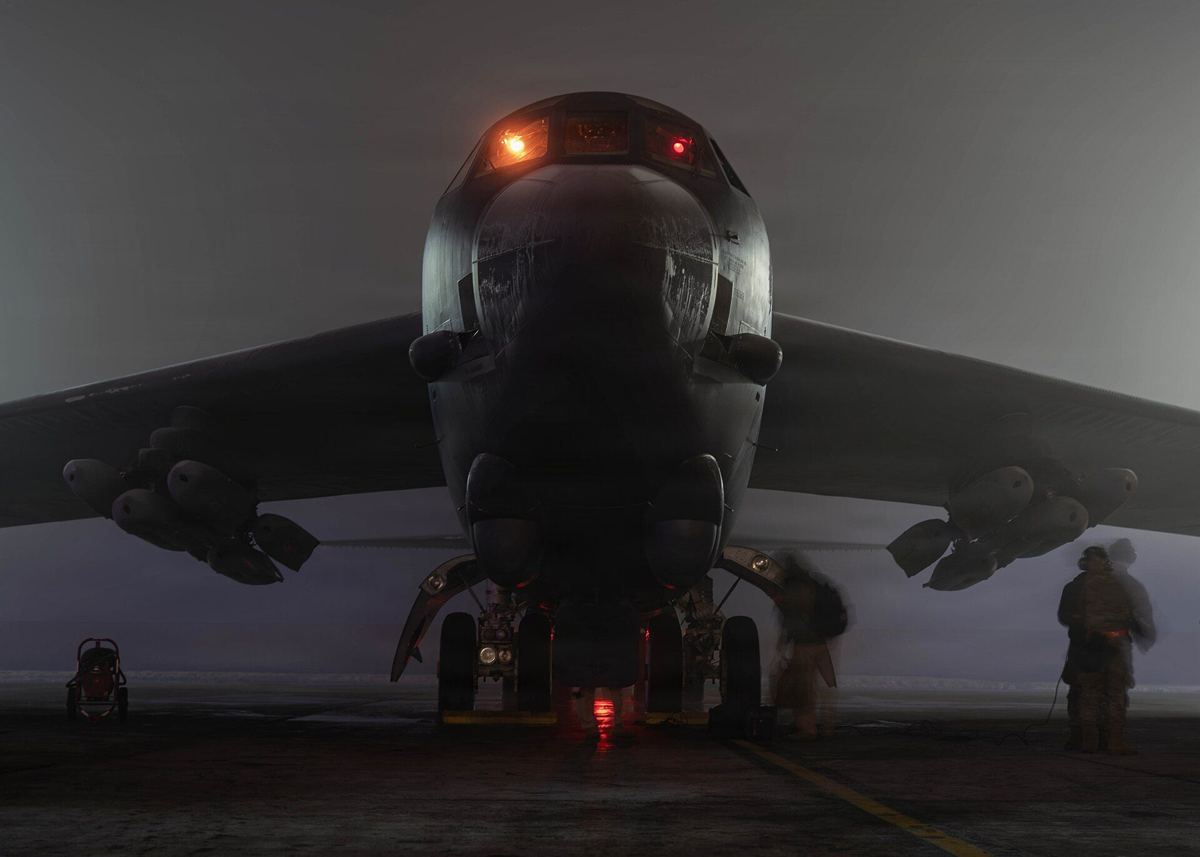
B-52s dropped more bomb tonnage on Vietnam than fell on all targets in World War II's Pacific theater, mined Haiphong harbor, and lost over a dozen aircraft to missiles in the 1972 Linebacker II raids. Since 1991 they have struck Iraq, Yugoslavia, Afghanistan, Libya and ISIS positions, mostly with precision weapons from standoff range. Today 72 remain split between conventional and nuclear roles, flying regular deterrence patrols from Guam, Diego Garcia and the UK.
Photo gallery