ARMY
Iron Dome
Air defense systems · 🇮🇱 Israel
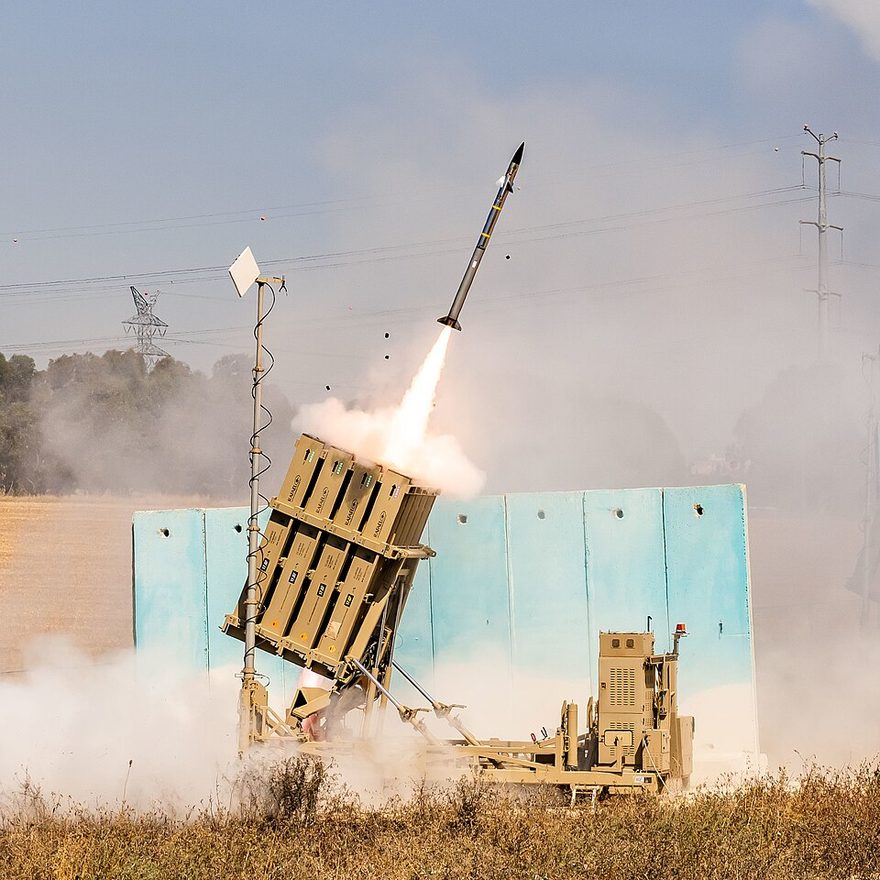
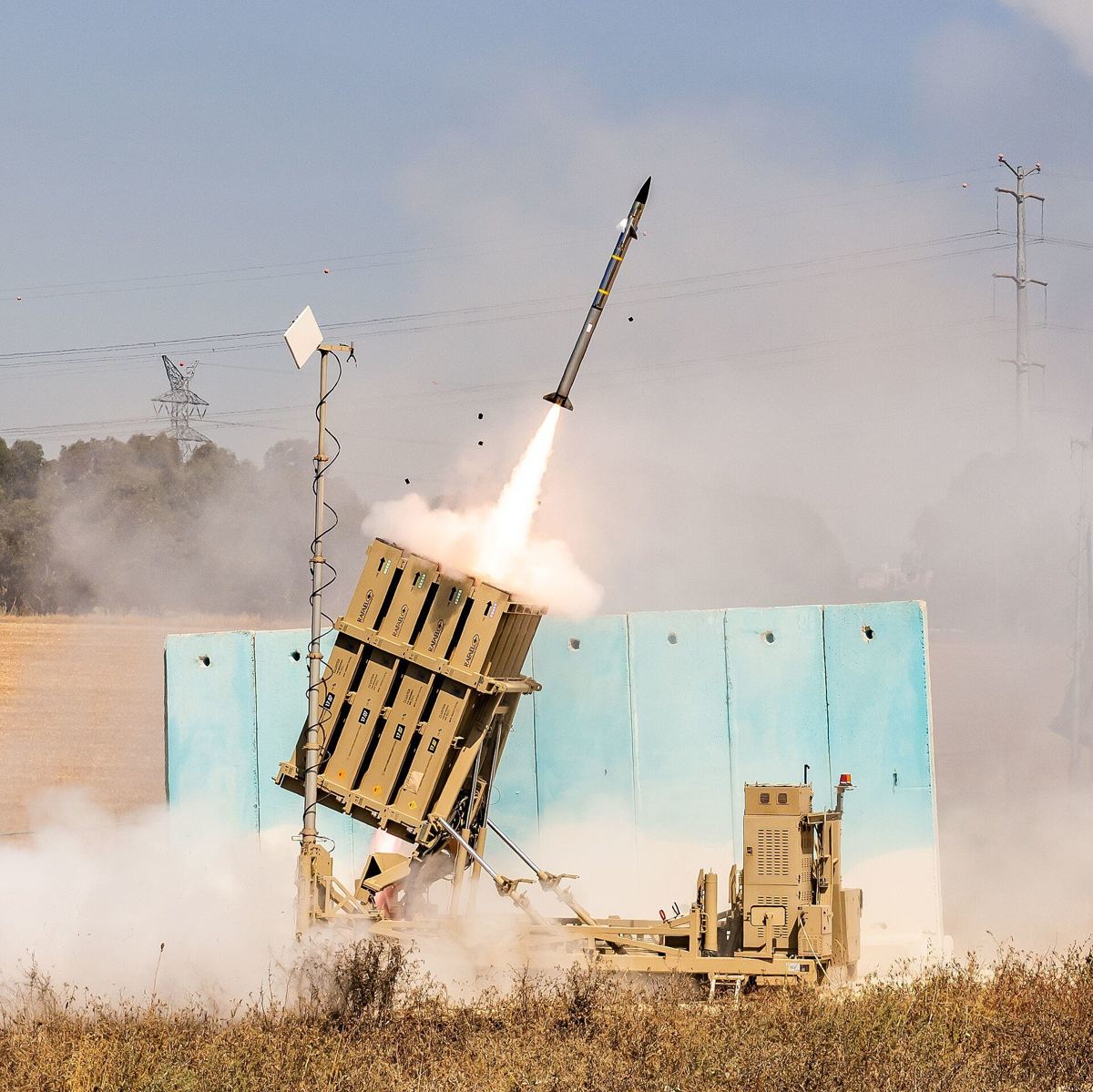
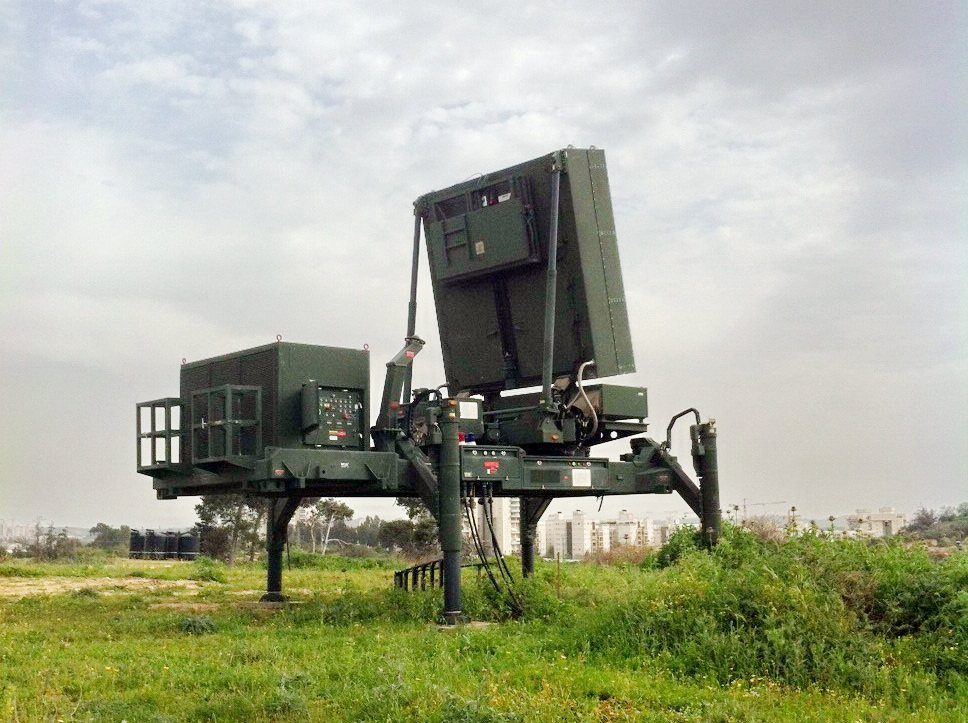
A short-range rocket interceptor that only engages projectiles headed for populated areas, with a claimed interception rate around 90%.
Specifications
| Country of origin | 🇮🇱 Israel |
| In service since | 2011 |
| Range | 70 km |
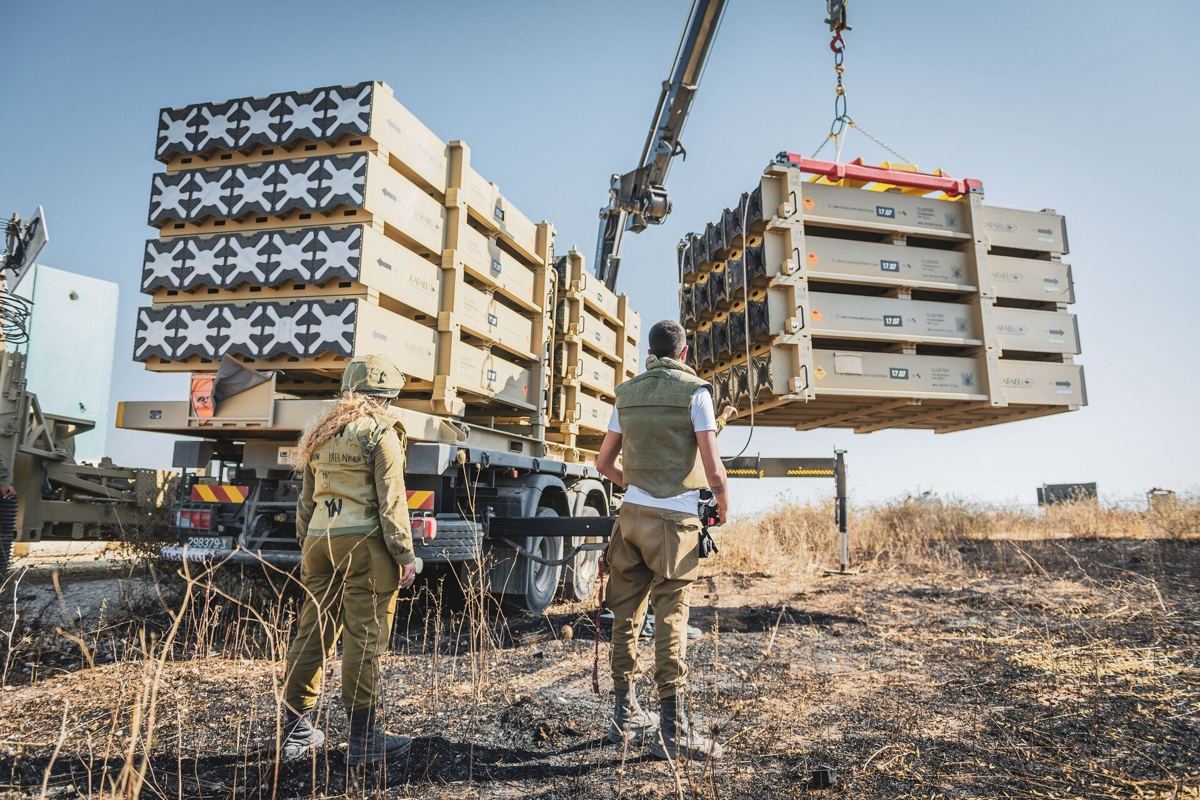
| Armament | Tamir interceptors (~50k USD each), radar-guided |
| Unit cost | ~$100M |
Development & history
Iron Dome was born from the 2006 Lebanon war, when thousands of short-range rockets hit northern Israel. Rafael promised an affordable interceptor and delivered in 2011 — radical at the time, since each Tamir missile cost a fraction of comparable interceptors and the system computes which incoming rockets will actually hit populated areas, ignoring the rest. US funding co-produced components, and the US Marine Corps bought batteries; Iron Dome anchors the bottom tier of Israel's layered shield with David's Sling and Arrow above it.
Service & combat use
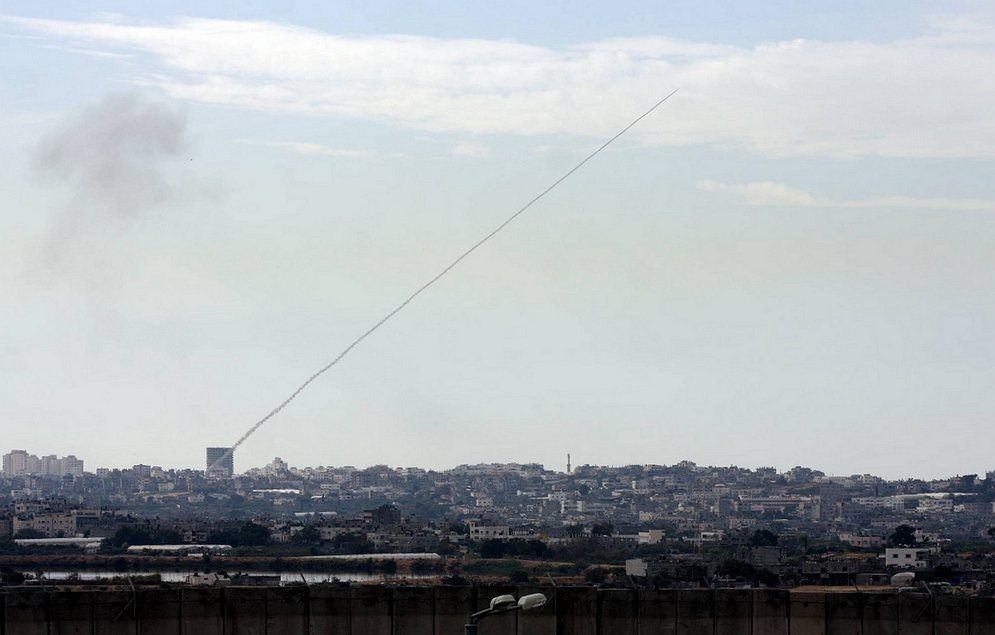
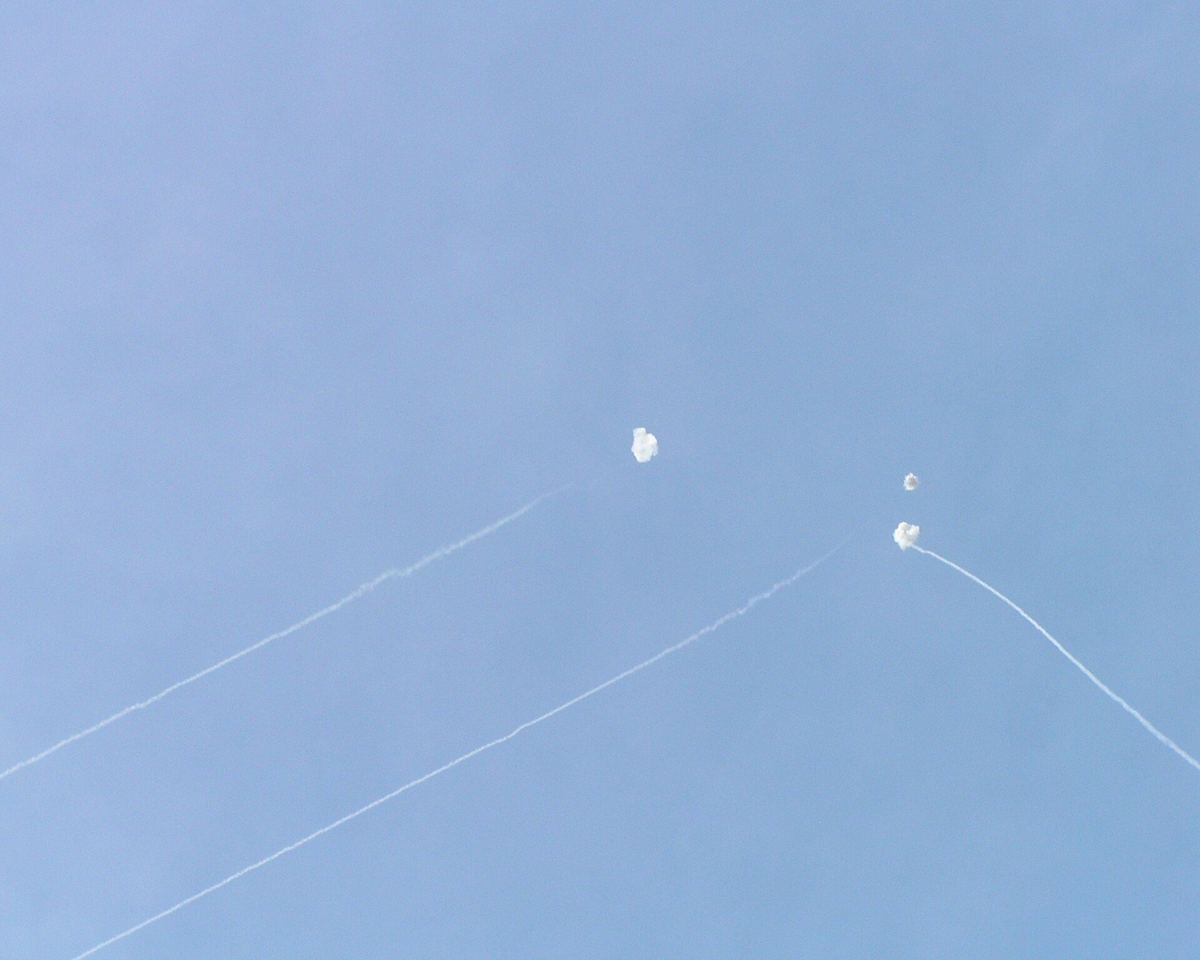
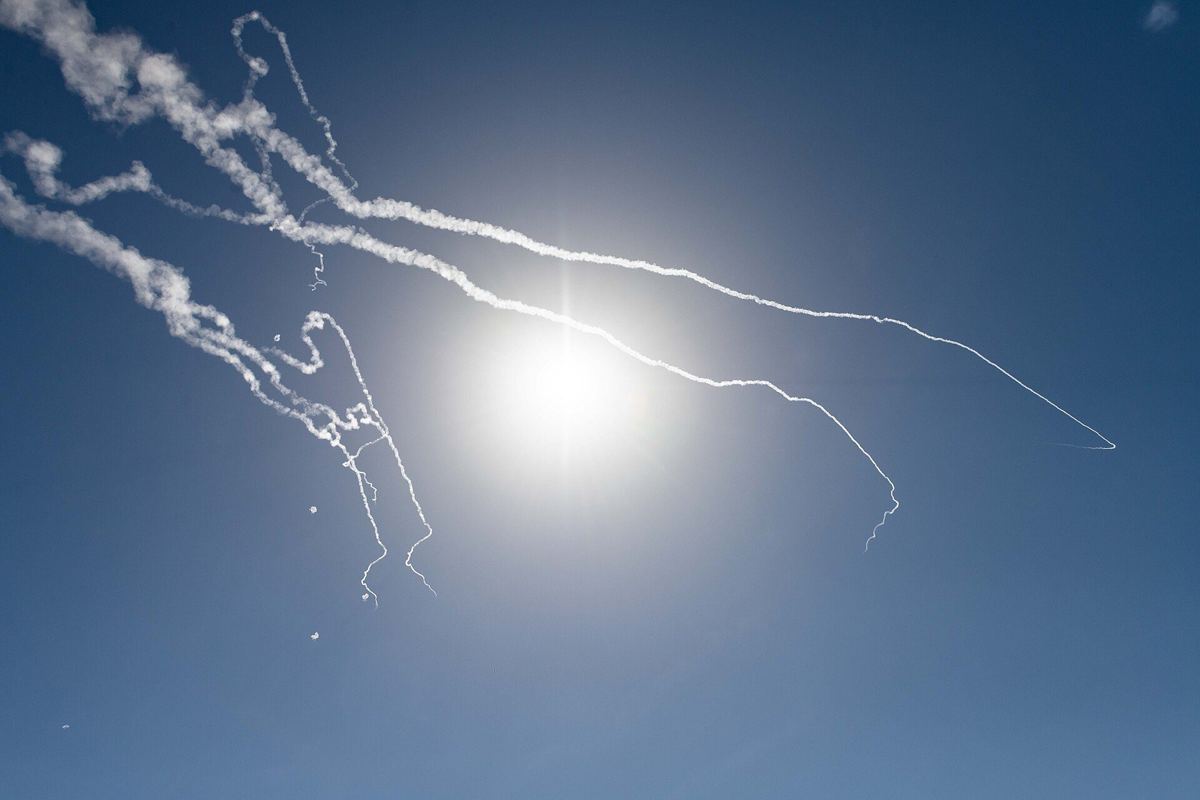
No air-defense system has fired more in anger: thousands of interceptions across every Gaza escalation since 2011, with claimed success rates near 90 percent. The supreme tests came in 2023–25, when barrages from Gaza, Lebanon, Yemen and two direct Iranian attacks arrived simultaneously with ballistic missiles and drones — the latter handled by the upper layers while Iron Dome scrubbed the rocket salvos. Saturation, interceptor stocks and cost-exchange remain its debated limits.
Photo gallery