ARMY
M142 HIMARS
Rocket artillery · 🇺🇸 United States
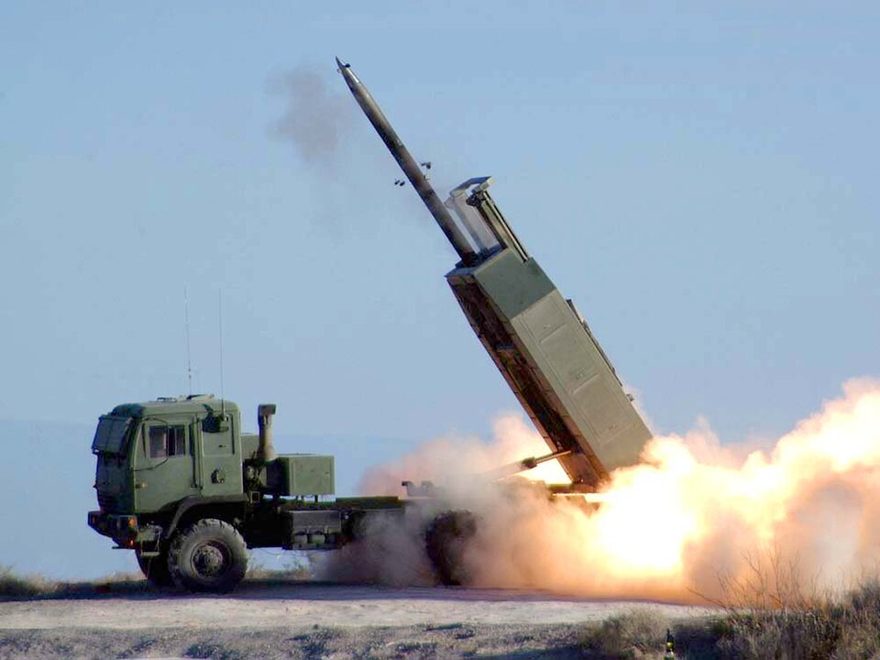
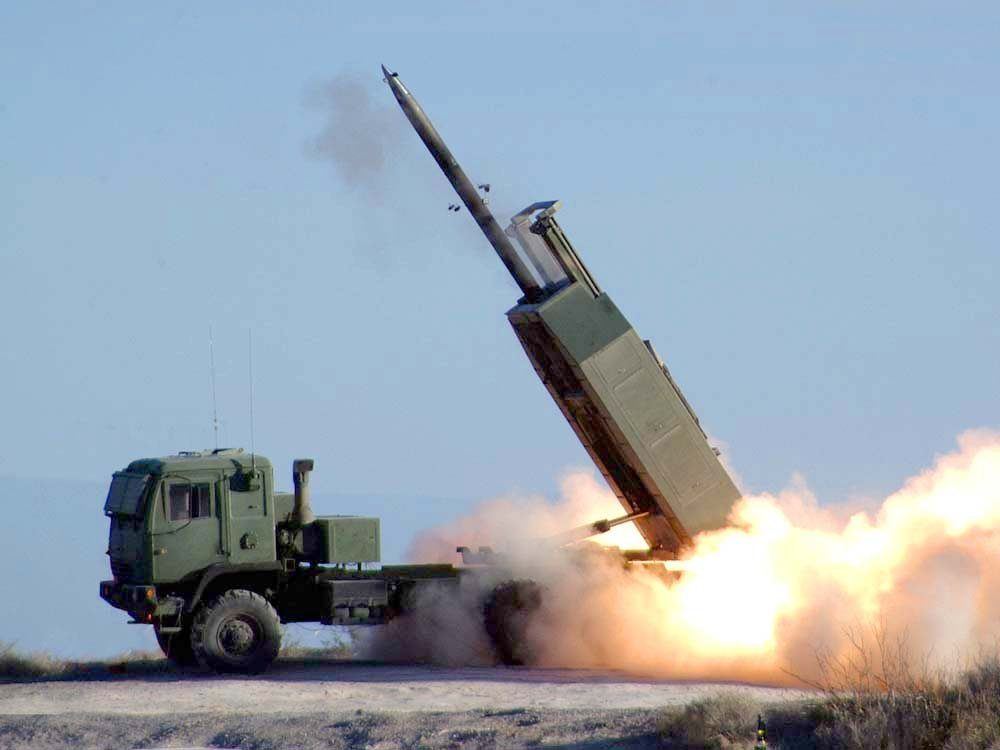
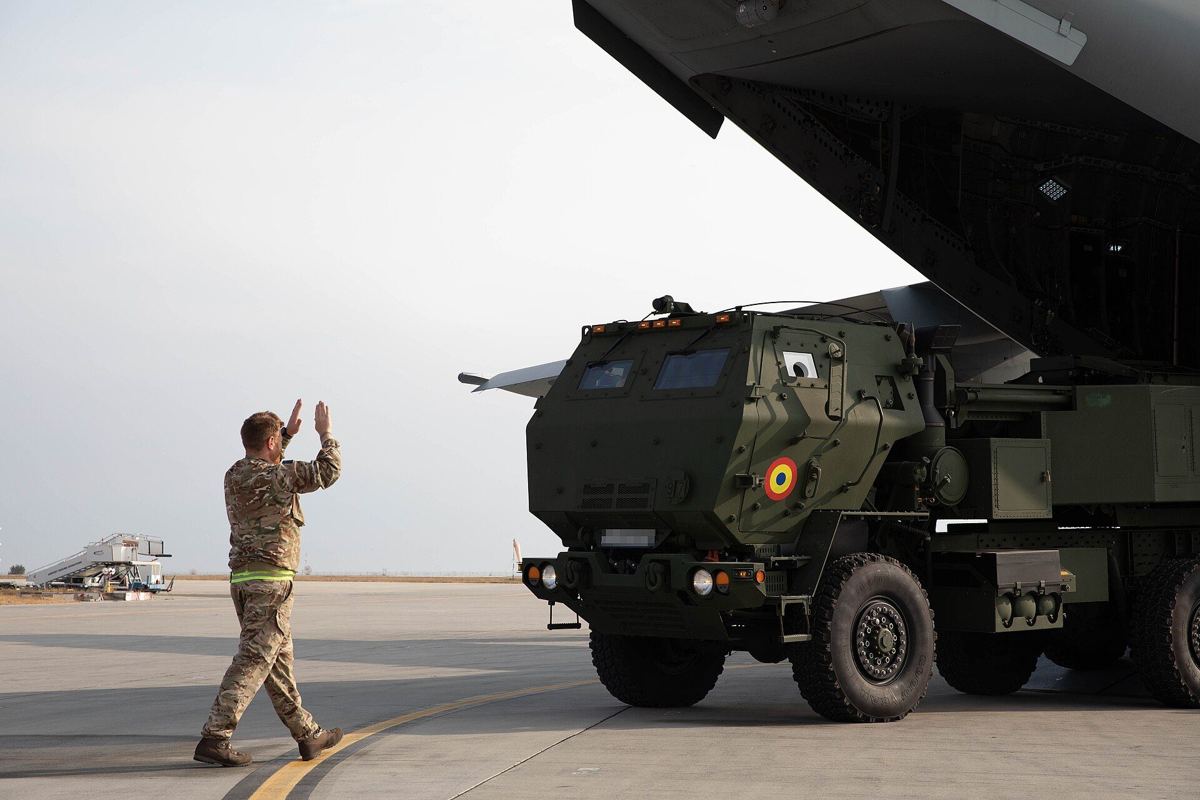
A truck-mounted precision rocket launcher that shoots and relocates within minutes. Its GMLRS strikes reshaped the artillery war in Ukraine.
Specifications
| Country of origin | 🇺🇸 United States |
| In service since | 2010 |
| Top speed | 85 km/h |
| Range | 480 km |
| Weight | 16.2 t |
| Crew | 3 |
| Armament | 6× GMLRS (80-150 km) or 1× ATACMS/PrSM (300-500 km) |
| Unit cost | ~$5.6M |
| Units built | 650+ |
Development & history
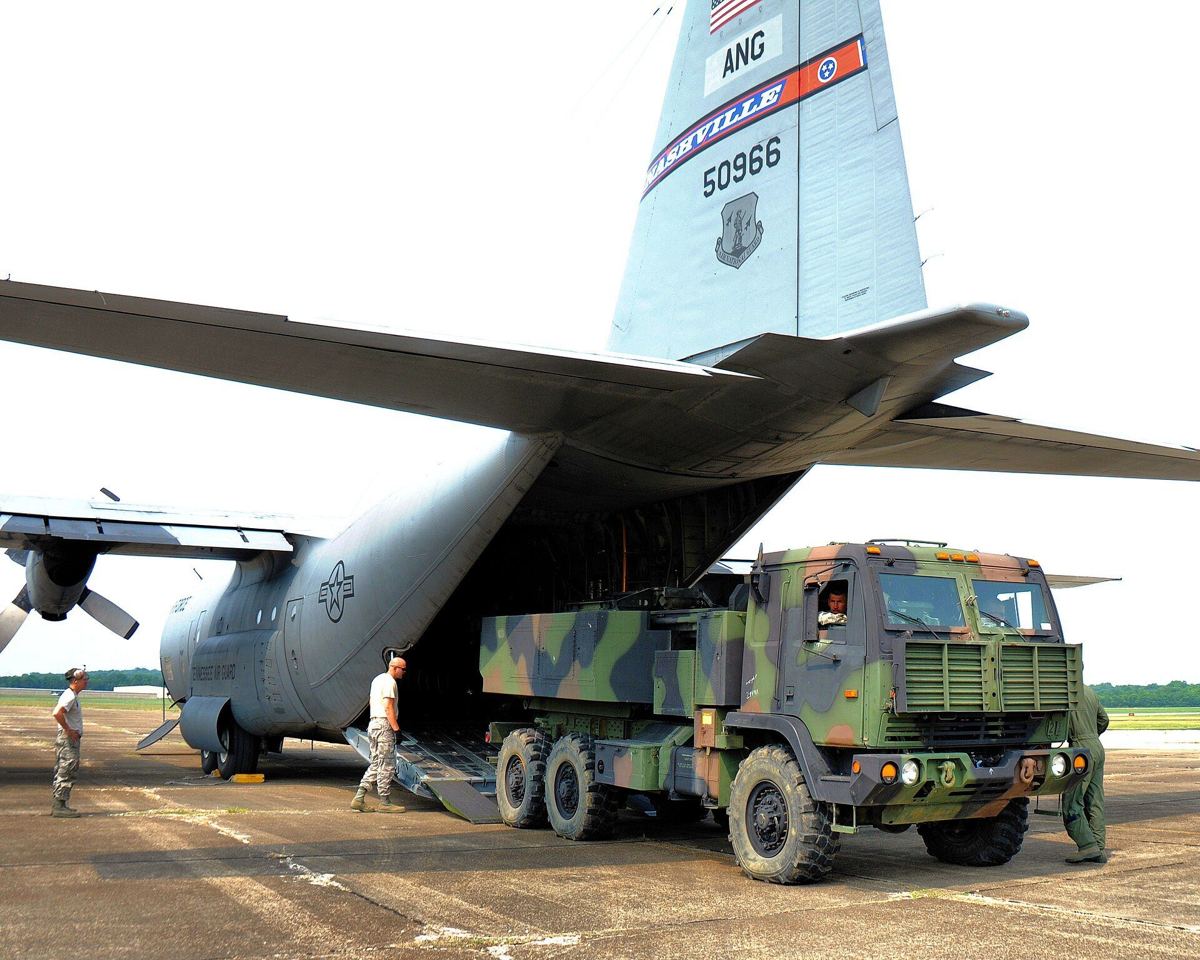
HIMARS began in the 1990s as the air-portable half of the MLRS family: six guided rockets or one ATACMS missile on a 5-tonne truck that fits in a C-130. Fielded in 2005, it stayed a niche system until GPS-guided GMLRS rockets turned it into a 70-km precision sniper. The type's Ukraine fame unleashed an export wave — Poland, the Baltics, Australia, Morocco and others — and production in Camden, Arkansas, has multiplied, with the 500-km PrSM missile now entering the magazine.
Service & combat use
US HIMARS fired in Iraq, Afghanistan and Syria, but Ukraine made it iconic: from mid-2022, strikes on ammunition depots, command posts and the Antonivka bridge helped force Russia out of Kherson, and 'HIMARS o'clock' entered the war's vocabulary. Russia adapted — dispersing depots beyond range and jamming GPS, which cut GMLRS effectiveness and pushed Ukraine toward drones for deep strikes. The lesson cuts both ways: precision artillery changes wars, and electronic warfare changes precision artillery.
Photo gallery